
Step 2 of 6 · Analyse
Understand what you've found — carefully.
PlantScope reads your photo and assembles a clear profile: who the plant is, how to care for it, and what it may or may not be safe for.
Six lenses on every plant
More than a name.
A name is only the beginning. Standing by the vines, our couple learns the tomato's fruit is edible while its leaves and stems contain compounds that make them unsuitable to eat. That nuance is exactly what PlantScope is built to surface.
- Botanical profile
- Common and scientific names, family, native range and the distinguishing features that support the match.
- Edibility
- Which parts are traditionally eaten, which are not, and how they are usually prepared.
- Nutrition
- Indicative nutrients for edible parts, so you understand what you're bringing to the table.
- Plant care
- Light, water, soil and seasonal notes for keeping it thriving in your garden.
- Toxicity checks
- Known toxic parts, risks to children and pets, and look-alike plants to be wary of.
- Confidence
- An honest indication of certainty. Low confidence means: verify, don't assume.
Identification is guidance, not a guarantee. Image analysis can be mistaken, especially with young plants, partial photos or toxic look-alikes. Never eat, touch or give any plant to children or pets based on an app result alone. Confirm with a qualified local expert, and seek medical help immediately if you suspect poisoning.
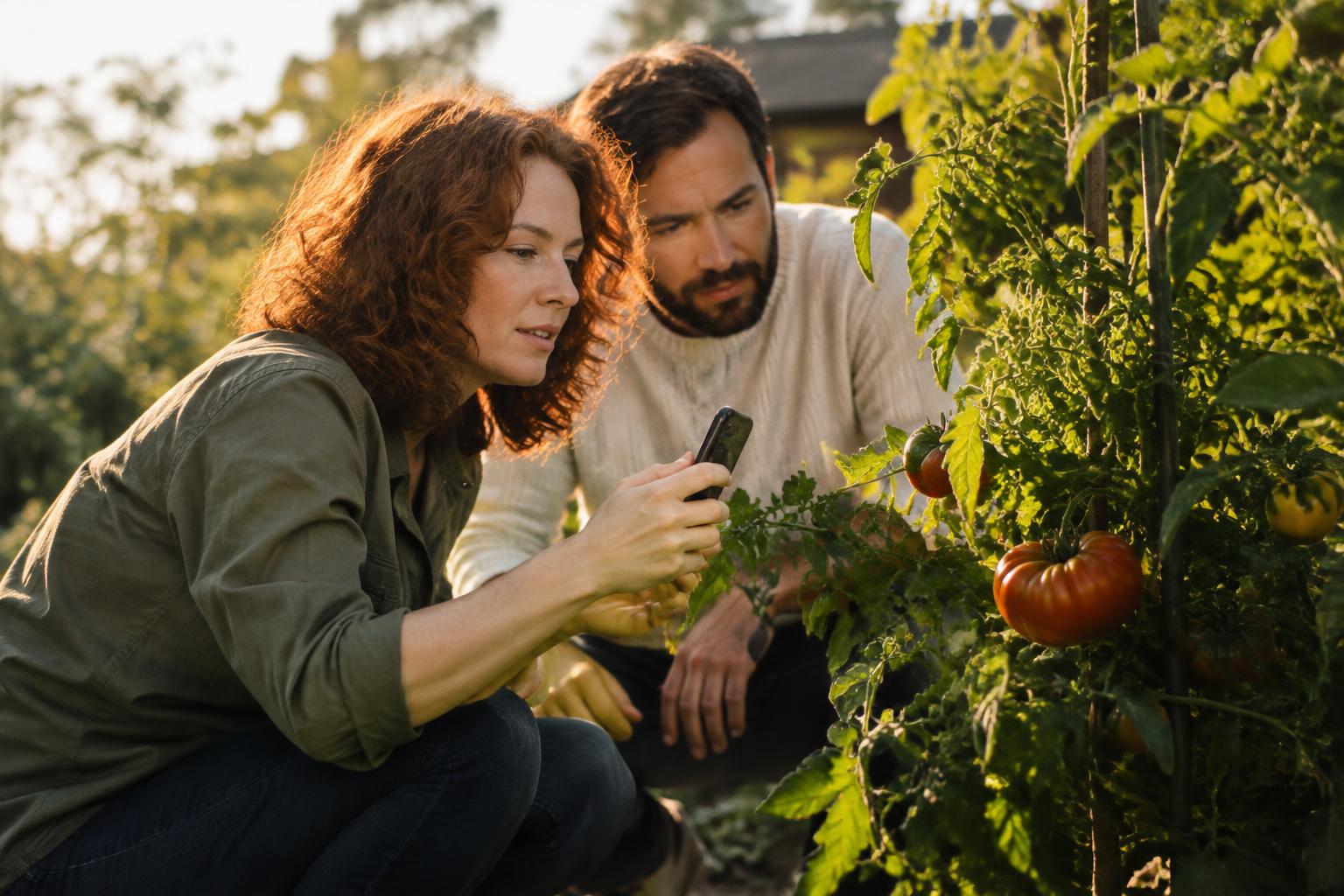
Tomato
Solanum lycopersicum · Solanaceae
Confidence: high (verify)
- Edible: ripe fruit
- Caution: leaves & stems not for eating
- Nutrition: vitamin C, potassium, lycopene
- Care: full sun, steady watering
Results may be inaccurate. Verify before consuming.
See what's growing around you
Open PlantScope for a careful, honest plant analysis.